
According to Dr. Shirish Agrawal, early Diabetes treatment in Indore plays an important role in reducing future heart complications. Along with managing blood sugar levels, patients should also pay attention to blood pressure, cholesterol, body weight, and overall heart health. Seeking guidance from the Best Cardiologist in Indore helps identify heart-related risks before they become serious medical emergencies.
Diabetes is not just a condition that affects blood sugar levels. It is a long-term health problem that can quietly damage many important organs in the body, especially the heart and blood vessels. Many people believe that controlling sugar is enough, but the truth is that uncontrolled diabetes can increase the chances of heart attacks, stroke, heart failure, and blocked arteries.
One of the biggest concerns is that diabetes often causes damage slowly. A person may feel completely healthy while changes are already happening inside the blood vessels. This is why doctors recommend regular health check-ups even if there are no noticeable symptoms.
Understanding the close connection between diabetes and heart disease allows patients to take preventive steps and enjoy a healthier life.
What Happens Inside the Body When Diabetes Is Not Controlled?
Dr. Shirish Agrawal explains that timely Diabetes treatment in Indore helps control blood sugar before permanent damage develops. Patients who regularly monitor their diabetes and consult the Best Cardiologist in Indore have a much better chance of preventing serious heart complications.
When diabetes remains uncontrolled for a long period, excess sugar stays in the bloodstream. This continuously high blood sugar begins damaging the inner lining of blood vessels. Healthy blood vessels are smooth and flexible, allowing blood to flow easily throughout the body. However, high sugar levels gradually make these vessels stiff, narrow, and inflamed.
As blood vessels become damaged, cholesterol starts sticking to their walls more easily. Over time, these deposits grow into plaques that reduce blood flow to the heart. Eventually, this can lead to blocked arteries and increase the chances of a heart attack.
Another problem caused by uncontrolled diabetes is damage to the nerves that control the heart and blood vessels. Because of this nerve damage, some diabetic patients may not feel typical chest pain during a heart attack. This is known as a “silent heart attack,” making regular medical check-ups even more important.
How Does Diabetes Damage the Heart Over Time?
Dr. Shirish Agrawal recommends regular Diabetes treatment in Indore along with periodic heart evaluations by the Best Cardiologist in Indore to identify hidden risks at an early stage.
Diabetes affects the heart gradually rather than suddenly. The longer blood sugar remains uncontrolled, the greater the damage becomes. The heart is forced to work harder because blood circulation becomes less efficient, and the arteries supplying oxygen-rich blood become narrower.
Several harmful changes take place inside the body:
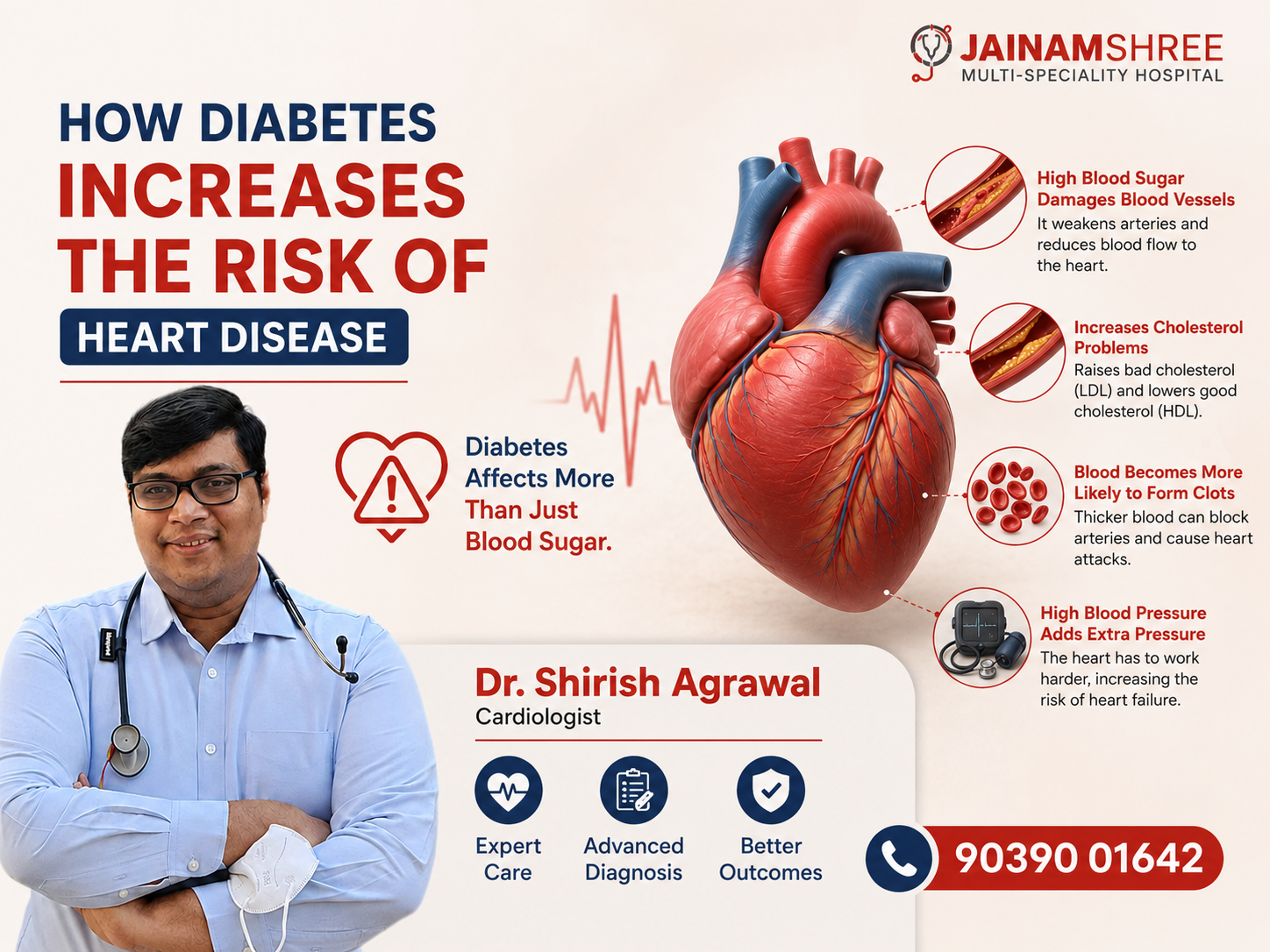
High Blood Sugar Damages Blood Vessels
Excess glucose acts like an irritant inside blood vessels. It weakens their protective lining and increases inflammation. Once the blood vessel walls are damaged, cholesterol builds up more easily, reducing the amount of blood reaching the heart muscle.
Diabetes Increases Cholesterol Problems
Many diabetic patients also develop unhealthy cholesterol levels. Bad cholesterol (LDL) often increases, while good cholesterol (HDL) decreases. This combination speeds up the process of artery blockage and raises the risk of heart attacks.
Blood Becomes More Likely to Form Clots
Diabetes makes the blood thicker and increases its tendency to clot. If a clot blocks an already narrowed artery, blood flow to the heart suddenly stops, resulting in a heart attack.
High Blood Pressure Adds Extra Pressure
Diabetes and high blood pressure commonly occur together. Elevated blood pressure forces the heart to pump harder every day, gradually weakening the heart muscle and increasing the risk of heart failure.
Why Are Diabetic Patients More Likely to Develop Heart Disease?
People with diabetes have a much higher chance of developing heart disease compared to those without diabetes. This happens because diabetes rarely affects only one part of the body. Instead, it influences multiple systems that work together to keep the heart healthy.
Several reasons explain this increased risk.
Blood Sugar Damages Arteries Every Day
Every day that blood sugar remains above normal levels, the arteries experience small amounts of damage. Although this damage is not visible immediately, it gradually accumulates over several years. Eventually, arteries lose their flexibility and become narrower.
Inflammation Increases Throughout the Body
Diabetes causes chronic inflammation inside blood vessels. Continuous inflammation makes artery walls more vulnerable to cholesterol deposits and plaque formation.
Multiple Risk Factors Occur Together
Many diabetic patients also have obesity, high cholesterol, high blood pressure, and reduced physical activity. When these conditions occur together, the risk of heart disease increases significantly.
Reduced Blood Flow Affects Every Organ
Poor circulation caused by diabetes does not only affect the heart. It also reduces blood supply to the kidneys, eyes, brain, and legs. This is why diabetes is considered a whole-body disease rather than only a sugar problem.
Managing diabetes early through proper Diabetes treatment in Indore helps reduce these risks considerably. Working together with the Best Cardiologist in Indore ensures both diabetes and heart health are managed in a coordinated manner.
What Are the Early Warning Signs of Heart Disease in Diabetic Patients?
One of the biggest challenges with diabetes is that heart disease may develop without obvious symptoms. Many patients ignore mild discomfort because they believe it is related to tiredness, acidity, or ageing. Unfortunately, delaying medical attention may allow the condition to worsen.
Some early warning signs should never be ignored.
Chest Pain or Chest Pressure
A feeling of heaviness, tightness, or discomfort in the chest can indicate reduced blood flow to the heart. In diabetic patients, this pain may be mild or may not occur at all because diabetes can damage the nerves responsible for sensing pain.
Shortness of Breath
If climbing a few stairs or walking short distances suddenly becomes difficult, it may be a sign that the heart is struggling to pump blood efficiently.
Unusual Fatigue
Feeling unusually tired even after getting enough rest can be an early warning sign of reduced heart function. The body receives less oxygen when the heart cannot pump effectively.
Swelling in the Feet or Ankles
When the heart becomes weaker, fluid may begin collecting in the legs, ankles, or feet. Persistent swelling should always be evaluated by a doctor.
Irregular Heartbeat
Some diabetic patients experience fluttering sensations, racing heartbeat, or skipped beats. These symptoms may indicate rhythm disturbances that require immediate attention.
Dr. Shirish Agrawal advises patients not to wait for severe symptoms before seeking help. Early Diabetes treatment in Indore combined with regular heart screenings from the Best Cardiologist in Indore can prevent many serious cardiovascular complications before they become life-threatening.
Can Diabetes Cause a Silent Heart Attack?
Yes, diabetes can increase the risk of a silent heart attack, and this is one of the most dangerous complications of the disease. A silent heart attack is different from a typical heart attack because it may not cause severe chest pain. Instead, the symptoms are often mild or unusual, making them easy to ignore.
High blood sugar over many years can damage the nerves responsible for carrying pain signals from the heart to the brain. As a result, many diabetic patients do not experience the classic warning signs that most people associate with a heart attack. They may simply feel unusually tired, short of breath, nauseous, or uncomfortable without realizing that their heart is in danger.
Some people mistake these symptoms for indigestion, stress, or general weakness and delay seeking medical help. Unfortunately, waiting too long can increase the amount of heart muscle damage and reduce the chances of a full recovery.
Dr. Shirish Agrawal strongly recommends regular cardiac screening for diabetic patients, even if they feel completely healthy. Timely Diabetes treatment in Indore combined with preventive heart check-ups from the Best Cardiologist in Indore can help detect silent heart disease before it becomes life-threatening.
Which Tests Help Detect Heart Disease in Diabetic Patients?
Heart disease often develops quietly, especially in people living with diabetes. Regular medical tests help identify problems before serious complications occur.
Dr. Shirish Agrawal believes that preventive testing is one of the best ways to protect the heart. Depending on the patient’s condition, age, and medical history, several investigations may be recommended.
Electrocardiogram (ECG)
An ECG records the electrical activity of the heart. It helps identify abnormal heart rhythms, previous heart attacks, and signs that the heart is under stress. The test is quick, painless, and often performed during routine cardiac evaluations.
2D Echocardiography
A 2D Echo uses ultrasound to create detailed images of the heart. It allows the doctor to examine heart valves, pumping function, and blood flow. This investigation helps detect heart weakness even before symptoms become obvious.
Treadmill Test (TMT)
A treadmill test evaluates how the heart performs during physical activity. It helps identify reduced blood supply to the heart that may not be visible while resting.
Blood Tests
Blood investigations measure cholesterol levels, blood sugar, kidney function, and other important health markers. These values help doctors understand the patient’s overall cardiovascular risk.
Coronary Angiography
If significant blockage is suspected, angiography may be recommended. This procedure provides a detailed picture of the coronary arteries and helps doctors decide whether further treatment such as angioplasty is required.
Regular investigations, along with proper Diabetes treatment in Indore, allow the Best Cardiologist in Indore to diagnose heart disease early and begin treatment before major complications develop.
How Can You Reduce the Risk of Heart Disease If You Have Diabetes?
Although diabetes increases the risk of heart disease, the good news is that many complications can be prevented through healthy lifestyle choices and regular medical care.
Control Blood Sugar Consistently
Keeping blood sugar within the recommended range reduces damage to blood vessels and nerves. Patients should follow their prescribed medicines, monitor sugar levels regularly, and attend follow-up appointments without delay.
Maintain Healthy Blood Pressure
High blood pressure places extra stress on the heart. Managing blood pressure through medicines, reduced salt intake, and regular exercise significantly lowers cardiovascular risk.
Keep Cholesterol Under Control
High cholesterol contributes to artery blockage. Eating a healthy diet and taking cholesterol-lowering medicines when prescribed helps protect blood vessels.
Exercise Regularly
Regular physical activity improves blood circulation, helps control weight, lowers blood sugar, and strengthens the heart. Even a 30-minute walk on most days of the week can provide significant health benefits.
Avoid Smoking and Tobacco
Smoking damages blood vessels and further increases the risk of heart attacks. Quitting tobacco is one of the most important steps in protecting heart health.
Dr. Shirish Agrawal encourages patients to combine healthy habits with regular Diabetes treatment in Indore to reduce the chances of future heart disease. Consulting the Best Cardiologist in Indore ensures every risk factor is managed properly.
What Foods Help Protect Both Diabetes and Heart Health?
Diet plays a major role in managing diabetes and preventing heart disease. A balanced meal plan not only helps control blood sugar but also reduces cholesterol and supports healthy blood circulation.
Patients do not need expensive or complicated diets. Simple, nutritious foods can make a significant difference when eaten consistently.
Eat More Fresh Fruits and Vegetables
Fresh vegetables provide fibre, vitamins, and antioxidants that support healthy blood vessels. Fruits should be chosen carefully based on blood sugar recommendations provided by the doctor or dietitian.
Choose Whole Grains Instead of Refined Foods
Whole wheat, oats, brown rice, and millets release sugar slowly into the bloodstream, helping maintain stable glucose levels.
Include Healthy Protein Sources
Pulses, beans, fish, skinless chicken, and low-fat dairy products provide protein without excessive unhealthy fats.
Reduce Fried and Processed Foods
Fast food, packaged snacks, sugary drinks, and processed meats contain unhealthy fats, excess salt, and added sugars that increase heart disease risk.
Limit Salt and Sugar Intake
Reducing salt helps control blood pressure, while limiting sugar prevents sudden increases in blood glucose levels.
A healthy diet, combined with proper Diabetes treatment in Indore, supports long-term heart health and reduces complications. The Best Cardiologist in Indore often works alongside dietitians to provide personalized nutrition advice.
Can Lifestyle Changes Really Improve Heart Health?
Absolutely. Medicines are important, but lifestyle changes often have an equally powerful impact on long-term health.
Patients who consistently follow healthy daily habits usually experience better blood sugar control, improved cholesterol levels, lower blood pressure, and better overall well-being.
Important lifestyle habits include:
Stay Physically Active
Walking, cycling, swimming, or yoga improves heart strength and helps maintain healthy body weight.
Sleep for Seven to Eight Hours
Quality sleep supports blood sugar control and allows the heart to recover from daily stress.
Manage Stress Effectively
Chronic stress can raise both blood sugar and blood pressure. Meditation, deep breathing, hobbies, and spending time with family help reduce stress naturally.
Maintain a Healthy Weight
Even modest weight loss can improve insulin sensitivity and reduce strain on the heart.
These simple habits, together with regular Diabetes treatment in Indore, provide long-term protection against heart disease.
How Does Dr. Shirish Agrawal Help Patients with Diabetes and Heart Disease?
Dr. Shirish Agrawal believes that successful heart care begins with prevention rather than waiting for complications to develop. Every patient receives a personalized evaluation based on age, medical history, lifestyle, and existing health conditions.
His approach includes early diagnosis, detailed heart assessment, risk factor management, and advanced treatment whenever necessary.
Patients benefit from comprehensive cardiac services including:
- Angiography
- Angioplasty
- Pacemaker implantation
- 2D Echocardiography
- TMT
- Holter Monitoring
- Heart failure management
- Preventive cardiac consultations
By working closely with diabetic patients, Dr. Shirish Agrawal helps reduce future cardiovascular complications through timely Diabetes treatment in Indore and expert guidance from the Best Cardiologist in Indore.
Why Should You Never Ignore Diabetes If You Want a Healthy Heart?
Diabetes is much more than a blood sugar disorder. It affects the entire circulatory system and quietly increases the risk of serious heart disease. The longer diabetes remains uncontrolled, the greater the chances of blocked arteries, heart attacks, and heart failure.
Fortunately, these complications are not inevitable. Early diagnosis, proper treatment, healthy lifestyle choices, and regular heart evaluations can significantly reduce risk.
Dr. Shirish Agrawal encourages every diabetic patient to think beyond sugar reports and focus on complete heart health. Choosing timely Diabetes treatment in Indore and consulting the Best Cardiologist in Indore for regular cardiac assessment can help protect the heart for many years to come.
Frequently Asked Questions About Diabetes Treatment in Indore and Heart Disease
1. Can diabetes increase the risk of heart disease?
Yes. Uncontrolled diabetes damages blood vessels over time and significantly increases the risk of blocked arteries, heart attacks, heart failure, and stroke. Receiving timely Diabetes treatment in Indore and regular cardiac evaluations from the Best Cardiologist in Indore can help reduce these risks.
2. When should a diabetic patient consult the Best Cardiologist in Indore?
Diabetic patients should undergo regular heart check-ups even if they have no symptoms. Early cardiac screening helps detect hidden heart disease before it becomes serious and allows treatment to begin at the right time.
3. Can diabetes cause a silent heart attack?
Yes. Diabetes can damage the nerves that carry pain signals, meaning some patients may not experience severe chest pain during a heart attack. Symptoms such as unusual fatigue, breathlessness, nausea, dizziness, or excessive sweating should never be ignored.
4. Which heart tests are recommended for diabetic patients?
Depending on individual risk factors, doctors may recommend ECG, 2D Echocardiography, Treadmill Test (TMT), cholesterol profile, blood sugar monitoring, Holter Monitoring, and coronary angiography to evaluate heart health.
5. Does controlling diabetes reduce the risk of heart disease?
Yes. Maintaining healthy blood sugar levels, controlling blood pressure and cholesterol, following a balanced diet, exercising regularly, and receiving proper Diabetes treatment in Indore significantly reduce the chances of developing heart disease.
6. Can lifestyle changes improve heart health in diabetic patients?
Absolutely. Regular exercise, healthy eating, weight management, quitting smoking, stress reduction, and adequate sleep all contribute to better diabetes control and improved cardiovascular health.
7. Why is regular heart screening important for people with diabetes?
Heart disease often develops silently in diabetic patients. Routine check-ups with the Best Cardiologist in Indore help identify cardiovascular problems early, reducing the risk of heart attacks, stroke, and heart failure.
8. Who should I consult for Diabetes treatment in Indore if I am worried about heart disease?
If you have diabetes and are concerned about your heart health, consult Dr. Shirish Agrawal, recognized by many patients as the Best Cardiologist in Indore. He provides comprehensive heart evaluations, preventive cardiac care, advanced treatment options, and long-term management to help diabetic patients maintain a healthy heart.
Conclusion: Why Early Diabetes Treatment in Indore Is Essential for Protecting Your Heart
Diabetes is much more than a condition that affects blood sugar levels. Over time, uncontrolled diabetes can quietly damage blood vessels, increase cholesterol buildup, raise blood pressure, and significantly increase the risk of heart attacks, stroke, and heart failure. Because these changes often occur without noticeable symptoms, many patients remain unaware of the damage until serious complications develop.
The good news is that many of these risks can be reduced through early diagnosis, proper blood sugar control, healthy lifestyle habits, and regular heart evaluations. Timely Diabetes treatment in Indore, combined with preventive cardiac care, helps protect both your heart and overall health while improving long-term quality of life.
If you are living with diabetes or have risk factors for heart disease, do not wait for symptoms to appear. Dr. Shirish Agrawal, recognized by many patients as the Best Cardiologist in Indore, provides comprehensive evaluation, personalized treatment planning, advanced cardiac care, and long-term support to help patients reduce cardiovascular risks and maintain a healthier future.