Why People Often Confuse Heatstroke and Heart Attack
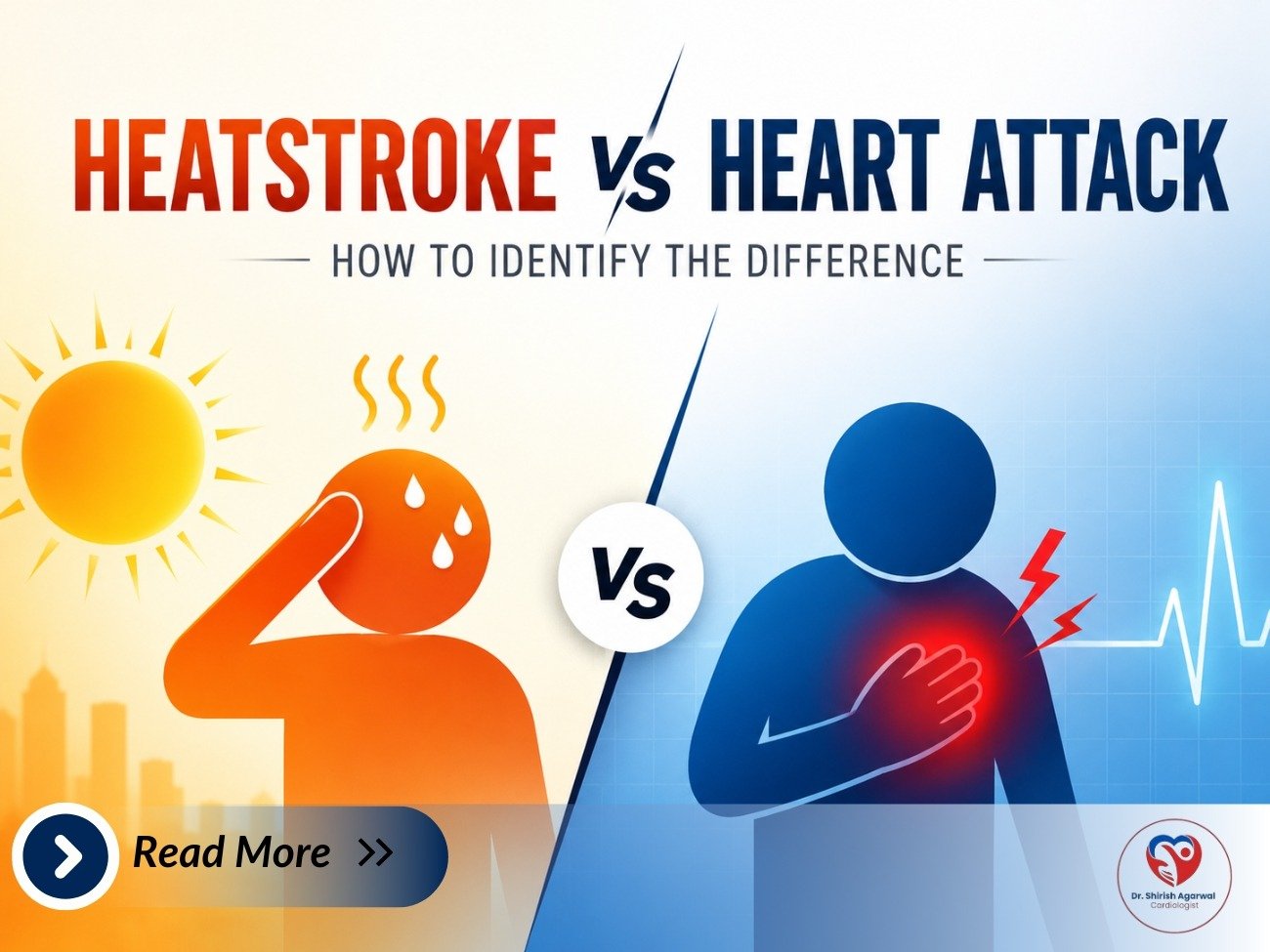
During summer, many people suddenly experience dizziness, sweating, weakness, chest discomfort, or difficulty breathing. In that moment, confusion begins. Some assume it is only because of heat and decide to rest at home. Others panic and fear they are having a heart attack. The difficult part is that both heatstroke and heart attack can share similar warning signs, especially during extremely hot weather.
This confusion can sometimes become dangerous because the treatment for both conditions is completely different. Heatstroke happens when the body overheats and loses its ability to cool itself properly. A heart attack, on the other hand, occurs when blood flow to the heart muscle becomes blocked. One condition is mainly related to body temperature and dehydration, while the other is related to blood circulation and heart function.
According to Dr. Shirish Agrawal, known as the Best Cardiologist in Indore, many patients ignore early symptoms because they assume they are only suffering from heat exhaustion. Unfortunately, delaying treatment during a heart attack can increase the risk of severe complications.
Understanding the difference between these conditions helps people respond quickly, seek the right treatment, and avoid life-threatening situations.
Heatstroke and Why It Happens
Heatstroke is one of the most serious heat-related illnesses. It usually develops when the body is exposed to high temperatures for a long time and is unable to cool itself effectively through sweating.
Normally, the human body maintains its temperature automatically. When the weather becomes hot, sweating helps cool the body down. However, during extreme heat, dehydration, or continuous sun exposure, this cooling system starts failing. As body temperature rises rapidly, important organs such as the brain, heart, kidneys, and muscles begin getting affected.
Heatstroke often develops during:
- Long hours under direct sunlight
- Outdoor work in extreme heat
- Heavy exercise during summer afternoons
- Severe dehydration
- Poor ventilation and hot indoor environments
Children, elderly individuals, and patients with existing heart problems are especially vulnerable during hot weather. The Best Cardiologist in Indore often advises heart patients to avoid unnecessary outdoor activity during peak summer hours because excessive heat puts additional strain on the cardiovascular system.
One important thing about heatstroke is that symptoms can worsen very quickly. What begins as simple fatigue or dizziness may suddenly turn into confusion, fainting, or unconsciousness if immediate cooling and hydration are not provided.
Heart Attack and Its Warning Signs
A heart attack is very different from heatstroke, although some symptoms may overlap. A heart attack occurs when blood flow carrying oxygen to the heart muscle becomes blocked. This blockage is usually caused by cholesterol deposits and blood clots inside the arteries.
When the heart muscle does not receive enough oxygen, part of it begins to get damaged. Without urgent treatment, the damage can become permanent.
The Best Cardiologist in Indore explains that many heart attacks do not always happen dramatically like shown in movies. Sometimes symptoms begin slowly and quietly. Patients may feel mild chest pressure, unusual tiredness, sweating, or breathlessness before severe pain develops.
Several factors increase the risk of heart attack:
- High blood pressure
- Diabetes
- Smoking and tobacco use
- High cholesterol levels
- Stress and lack of physical activity
- Obesity and unhealthy diet
- Family history of heart disease
Summer heat can make these risks worse because dehydration thickens the blood and forces the heart to work harder. This is why doctors often notice an increase in cardiac emergencies during extremely hot months.
Why Summer Increases the Risk of Both Conditions
Many people underestimate how strongly summer heat affects the body. During hot weather, the heart works harder to maintain normal body temperature. Blood vessels expand, sweating increases, and fluid loss becomes more common.
If the body loses too much water, blood circulation becomes less efficient. Blood pressure may fluctuate, and the heart needs to pump harder to maintain oxygen supply throughout the body.
For healthy individuals, the body usually manages these changes. But for elderly people, heart patients, diabetics, smokers, and people with high blood pressure, this extra strain can become dangerous.
The Best Cardiologist in Indore often explains that summer heat does not directly “cause” heart attacks in every case, but it can trigger serious problems in people who already have underlying heart disease.
This is why proper hydration, avoiding peak sunlight hours, and regular medical monitoring become extremely important during summer.
Symptoms of Heatstroke: What the Body Tries to Tell You
Heatstroke affects the entire body because overheating disrupts normal organ function. Symptoms usually become more intense as body temperature rises.
Important warning signs include:
- Very High Body Temperature
One of the biggest signs of heatstroke is extremely high body temperature, often above 104°F. The skin may feel unusually hot because the body can no longer cool itself properly. - Severe Weakness and Exhaustion
People experiencing heatstroke often feel extreme tiredness and may struggle to stand, walk, or speak normally. The body loses energy rapidly due to dehydration and overheating. - Confusion or Strange Behavior
Since high temperatures affect brain function, the person may become confused, disoriented, irritated, or unable to respond properly. In severe cases, unconsciousness may occur. - Heavy Sweating or Sudden Dry Skin
Early heatstroke may cause excessive sweating, but as the condition worsens, sweating may stop completely and the skin may become dry and flushed. - Nausea, Vomiting, and Dizziness
Heat affects digestion and blood circulation, which can lead to nausea, dizziness, fainting, or vomiting.
The Best Cardiologist in Indore advises seeking immediate medical help if these symptoms appear, especially in elderly individuals or heart patients.
Symptoms of Heart Attack: Signs You Should Never Ignore
Heart attack symptoms mainly occur because the heart muscle is not receiving enough oxygen-rich blood. While chest pain is common, not every patient experiences symptoms in the same way.
Important signs include:
- Chest Pressure or Tightness
Most patients describe a feeling of heaviness, squeezing, or pressure in the chest rather than sharp pain. The discomfort may come and go or remain constant. - Pain Spreading to Other Areas
Pain may travel to the left arm, shoulder, neck, jaw, or back. This spreading pain is one of the strongest warning signs of heart attack. - Shortness of Breath
Many patients feel breathless even while resting because the heart struggles to pump efficiently. - Cold Sweating
Unlike heatstroke, sweating during heart attack is usually cold and clammy rather than caused by external heat. - Sudden Anxiety or Feeling of Doom
Some individuals feel intense fear, restlessness, or unusual anxiety before or during a heart attack.
The Best Cardiologist in Indore strongly recommends never ignoring chest discomfort during summer simply because of heat. Immediate medical evaluation can save life and reduce permanent heart damage.
Major Differences Between Heatstroke and Heart Attack
Although both conditions can look similar in the beginning, understanding the key differences can help people take the correct action quickly.
- Cause of the Condition
Heatstroke happens because the body overheats and loses fluids rapidly. A heart attack occurs when blood flow to the heart becomes blocked due to narrowed arteries or blood clots. - Body Temperature Changes
Heatstroke usually causes extremely high body temperature, while body temperature often remains normal during a heart attack. - Type of Sweating
In heatstroke, sweating is usually linked to extreme heat exposure. In heart attack, sweating is often cold, sticky, and associated with chest discomfort. - Mental Confusion
Severe confusion or unusual behavior is more common in heatstroke because overheating affects brain function directly. - Chest Pain Pattern
Heart attack pain often spreads to the arm, neck, jaw, or back, while heatstroke mainly causes weakness and overheating symptoms.
The Best Cardiologist in Indore explains that whenever there is doubt, seeking emergency medical care is always the safest option.
Who Is at Higher Risk During Summer?
Some people are naturally more vulnerable during extreme heat conditions.
Higher-risk groups include:
- Elderly individuals
- Patients with heart disease
- Diabetic patients
- Smokers and tobacco users
- Outdoor laborers and athletes
- People with high blood pressure
- Individuals who remain dehydrated for long periods
For these individuals, summer heat can quickly worsen existing health conditions. The Best Cardiologist in Indore often advises such patients to stay cautious during heatwaves and follow preventive measures seriously.
What to Do During Heatstroke
Immediate action during heatstroke can prevent severe organ damage and save lives.
Important first-aid steps include:
- Move the person to a cool or shaded area immediately
- Remove excess clothing to help body cooling
- Offer water or electrolyte drinks if the person is conscious
- Apply cold cloths or ice packs on the neck, underarms, and forehead
- Use fans or cool air to reduce body temperature
- Seek emergency medical attention quickly
Doctors warn that delaying treatment during heatstroke can affect the brain, kidneys, and heart permanently.
What to Do During a Heart Attack
Heart attack requires urgent medical treatment because every minute matters.
If heart attack symptoms appear:
- Call emergency medical services immediately
- Keep the person calm and seated comfortably
- Loosen tight clothing
- Avoid unnecessary movement or panic
- Reach the nearest hospital without delay
The Best Cardiologist in Indore explains that early treatment restores blood flow faster and greatly improves survival chances.
How to Protect Yourself During Summer
Preventing both heatstroke and heart problems begins with simple but consistent habits.
- Stay Properly Hydrated Throughout the Day
Water helps maintain healthy blood circulation and supports normal body temperature. People should not wait until they feel thirsty before drinking water. - Avoid Direct Sun Exposure During Peak Hours
The hottest part of the day is usually between 12 PM and 4 PM. Staying indoors or in shaded areas during this time reduces heat stress significantly. - Wear Light and Comfortable Clothing
Loose cotton clothes help the body cool itself more effectively and reduce overheating risk. - Follow a Healthy Diet
Fresh fruits, vegetables, and light meals support hydration and reduce strain on the digestive system and heart. - Monitor Existing Health Conditions Carefully
Patients with diabetes, blood pressure problems, or heart disease should follow medicines regularly and stay connected with the Best Cardiologist in Indore for proper guidance.
Importance of Regular Heart Checkups in Summer
Many people visit hospitals only after severe symptoms develop. However, preventive checkups help identify hidden risks before emergencies occur.
Doctors may recommend:
- ECG for heart rhythm evaluation
- 2D Echo to assess heart function
- Blood pressure monitoring
- Cholesterol and diabetes testing
- Stress testing if required
Regular consultation with the Best Cardiologist in Indore helps patients stay prepared and reduce the chances of sudden cardiac emergencies during summer.
Why Patients Trust Dr. Shirish Agrawal
Dr. Shirish Agrawal is known for his patient-focused approach and expertise in advanced cardiac care. He believes in explaining medical conditions in simple language so patients can understand their symptoms and treatment clearly.
His experience in managing heart emergencies, angioplasty, angiography, pacemaker procedures, and preventive cardiac care has made him one of the Best Cardiologist in Indore.
Patients appreciate his calm guidance, accurate diagnosis, and focus on long-term heart health rather than only temporary symptom relief.
Understanding the Importance of Early Action
Both heatstroke and heart attack can become life-threatening if ignored. Unfortunately, many people delay medical attention because they assume symptoms will improve on their own.
The body usually gives warning signs before a major emergency happens. Recognizing these signs early, staying hydrated, avoiding extreme heat exposure, and seeking timely care from the Best Cardiologist in Indore can prevent serious complications.
Summer should be enjoyed safely, not carelessly. Awareness and timely action remain the strongest protection for heart and overall health.
Frequently Asked Questions (FAQs)
Can heatstroke affect the heart directly?
Yes, heatstroke places significant stress on the heart. Severe dehydration, overheating, and low blood pressure force the heart to work harder, which may worsen existing heart conditions or trigger complications in vulnerable individuals.
How can I identify whether symptoms are due to heatstroke or heart attack?
Heatstroke usually causes very high body temperature, confusion, dizziness, and overheating symptoms. Heart attack commonly causes chest pressure, pain spreading to the arm or jaw, cold sweating, and breathlessness. However, because symptoms can overlap, medical evaluation is always recommended.
Are elderly people at higher risk during summer?
Yes, elderly individuals are more vulnerable because their body may not regulate temperature efficiently. Many older adults also have existing heart disease, diabetes, or blood pressure problems that increase risk further.
Can dehydration trigger heart problems?
Severe dehydration reduces blood volume and forces the heart to pump harder. This increases strain on the cardiovascular system and may worsen existing heart disease or increase the risk of complications.
When should I consult a cardiologist during summer?
If you experience chest discomfort, breathlessness, unusual fatigue, dizziness, irregular heartbeat, or excessive weakness during summer, consult the Best Cardiologist in Indore immediately for proper evaluation and treatment.