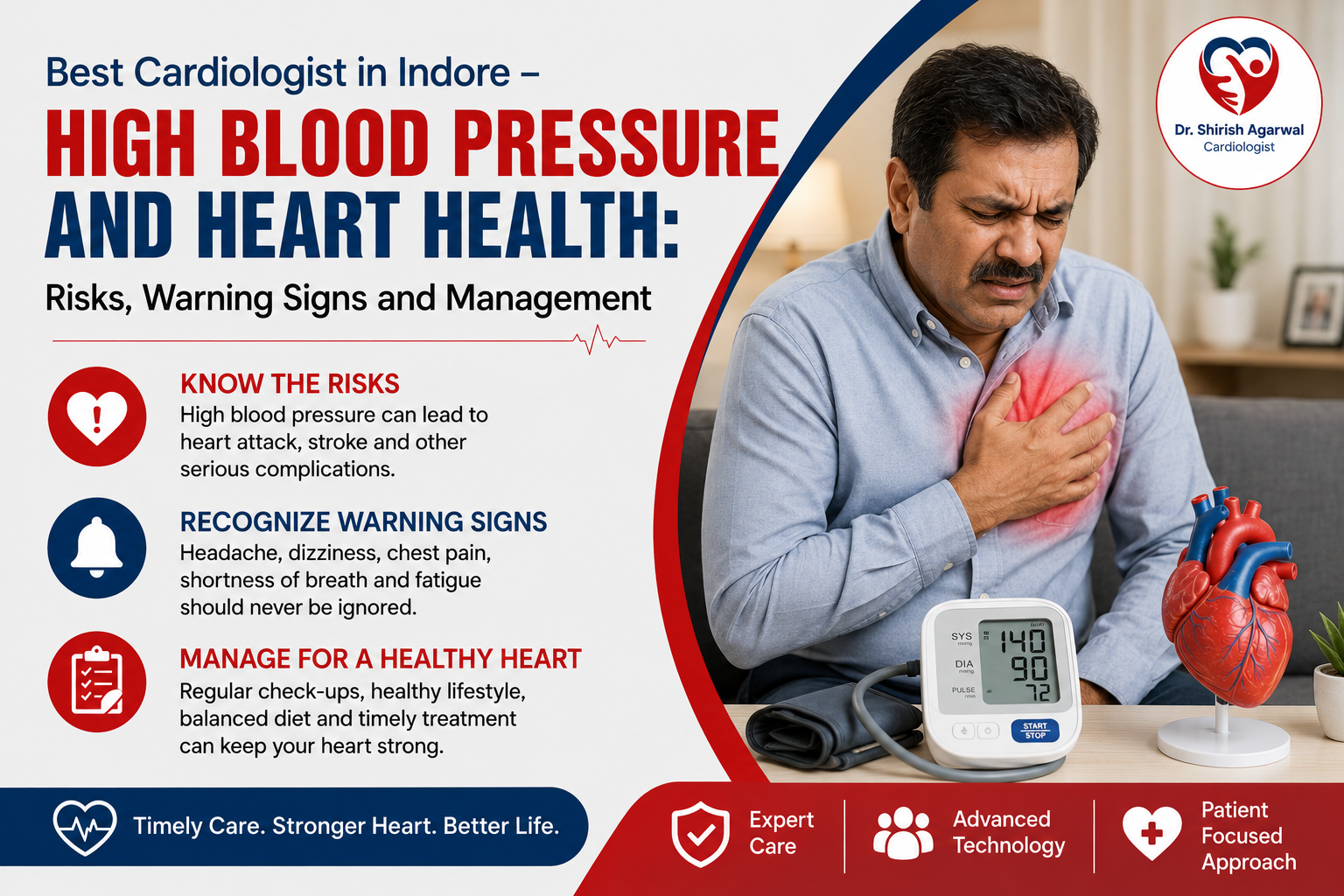
High blood pressure is one of the most common conditions affecting heart health. It often develops without obvious symptoms, but over time, uncontrolled blood pressure can increase the risk of heart attack, stroke, heart failure, kidney disease, and other complications. For this reason, regular blood pressure monitoring and timely medical evaluation are important, particularly for people with diabetes, high cholesterol, obesity, smoking history, or a family history of heart disease.
For people looking for the Best Cardiologist in Indore, understanding the connection between high blood pressure and heart health is an important first step. Dr. Shirish Agrawal is a Consultant Cardiologist and Interventional Cardiologist in Indore with more than 7 years of experience in cardiology, according to the provided doctor information. His areas of care include heart attacks, heart failure, hypertension, angina, irregular heartbeats, coronary artery disease, angiography, angioplasty, pacemaker implantation, and other cardiology procedures.
Understanding High Blood Pressure and Heart Health
Blood pressure is the force created by circulating blood against the walls of the arteries. When this pressure remains consistently elevated, it can place additional stress on the cardiovascular system.
According to current American Heart Association guidance, blood pressure below 120/80 mm Hg is considered normal, while readings consistently at or above 130/80 mm Hg fall into the high blood pressure range. A diagnosis should be confirmed by a healthcare professional using appropriate measurements.
High blood pressure can make the heart work harder than normal. Over time, this may contribute to changes in the heart muscle and blood vessels. The condition is also a major modifiable risk factor for cardiovascular disease.
Consulting a Cardiologist in Indore can help patients understand their blood pressure readings, identify associated risk factors, and develop an appropriate management plan.
Why High Blood Pressure Is Called a Silent Condition
One of the biggest concerns with hypertension is that most people do not experience noticeable symptoms. The American Heart Association notes that high blood pressure usually has no signs or symptoms, which is why regular measurement is important.
A person may feel completely healthy while their blood pressure remains elevated for months or years.
Some people may experience symptoms when blood pressure becomes severely elevated, but symptoms such as headache, dizziness, or fatigue should not be used alone to diagnose hypertension.
This is why a Heart Specialist in Indore may recommend regular blood pressure checks even when a person feels well.
High Blood Pressure and Heart Disease – What Is the Connection?
High blood pressure can gradually affect the arteries and heart. Persistent pressure can contribute to damage of blood vessels and increase cardiovascular risk.
Uncontrolled hypertension can increase the risk of:
- Coronary artery disease
- Heart attack
- Heart failure
- Stroke
- Irregular heart rhythms
- Kidney disease
- Vision problems
High blood pressure can also occur alongside diabetes, obesity, and abnormal cholesterol levels, creating a combination of risk factors that can further affect cardiovascular health.
For this reason, a Heart Doctor in Indore may evaluate more than blood pressure alone. A complete cardiovascular assessment can include blood pressure, cholesterol, blood sugar, lifestyle factors, family history, and symptoms.
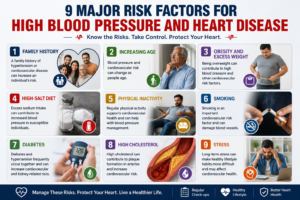
Risk Factors for High Blood Pressure and Heart Problems
Some risk factors cannot be changed, such as age and family history. However, several lifestyle and medical factors can be addressed.
Important risk factors include:
1. Family History
A family history of hypertension or cardiovascular disease can increase an individual’s risk.
2. Increasing Age
Blood pressure and cardiovascular risk can change as people age.
3. Obesity and Excess Weight
Being overweight can contribute to high blood pressure and other cardiovascular risk factors.
4. High-Salt Diet
Excess sodium intake can contribute to increased blood pressure in susceptible individuals.
5. Physical Inactivity
Regular physical activity supports cardiovascular health and can help with blood pressure management.
6. Smoking
Smoking is an important cardiovascular risk factor and can damage blood vessels.
7. Diabetes
Diabetes and hypertension frequently occur together and can increase cardiovascular and kidney-related risks.
8. High Cholesterol
High cholesterol can contribute to plaque formation in arteries and increase cardiovascular risk.
9. Stress
Long-term stress can make healthy lifestyle habits more difficult and may affect cardiovascular health.
A Cardiologist in Indore can assess these factors and help patients understand their individual level of cardiovascular risk.
Warning Signs That Should Not Be Ignored
Because hypertension often has no symptoms, regular blood pressure measurement is essential. However, certain symptoms may indicate a serious cardiovascular problem and require prompt medical attention.
Warning signs may include:
- Chest pain or pressure
- Shortness of breath
- Unexplained sweating
- Fainting or near-fainting
- Persistent or unusual palpitations
- Severe weakness
- Sudden difficulty speaking
- Sudden weakness or numbness
- Sudden vision changes
Symptoms of a heart attack or stroke require emergency medical attention rather than waiting for a routine cardiology appointment.
If blood pressure is above 180/120 mm Hg and symptoms such as chest pain, shortness of breath, weakness, numbness, vision changes, or difficulty speaking are present, it may represent a hypertensive emergency and immediate emergency care is required.
Understanding Blood Pressure Numbers
Knowing your blood pressure numbers can help you understand your cardiovascular health.
| Blood Pressure Category | Systolic | Diastolic |
|---|---|---|
| Normal | Less than 120 | Less than 80 |
| Elevated | 120–129 | Less than 80 |
| Stage 1 Hypertension | 130–139 | 80–89 |
| Stage 2 Hypertension | 140 or higher | 90 or higher |
| Severe Hypertension | Higher than 180 | and/or higher than 120 |
These categories are based on current American Heart Association information. A healthcare professional should confirm a diagnosis rather than relying on a single reading.
A Best Cardiologist in Indore can help patients interpret repeated readings and determine whether further evaluation or treatment is required.
How Is High Blood Pressure Diagnosed?
Diagnosis usually involves repeated blood pressure measurements rather than relying on one isolated reading. Home monitoring can also provide useful information when performed correctly and discussed with a healthcare professional.
Depending on the patient’s age, symptoms, medical history, and risk factors, a cardiologist may recommend:
- Blood pressure monitoring
- Blood sugar testing
- Lipid profile
- Kidney function tests
- ECG
- Echocardiography
- Treadmill testing when appropriate
- Other cardiovascular investigations
The exact tests depend on the patient’s clinical condition.
Patients visiting a Heart Specialist in Indore may also be evaluated for associated conditions such as diabetes, high cholesterol, coronary artery disease, or heart rhythm problems.
High Blood Pressure Management
Management of hypertension generally combines lifestyle measures with medication when required.
The American Heart Association recommends heart-healthy lifestyle changes, regular physical activity, healthy eating, maintaining a healthy weight, limiting alcohol, avoiding smoking, managing stress, and taking prescribed medicines appropriately.
1. Healthy Eating
A balanced diet rich in vegetables, fruits, whole grains, pulses, and other nutrient-dense foods can support cardiovascular health.
Patients with hypertension may also need to reduce excessive salt intake according to their doctor’s advice.
2. Regular Physical Activity
Regular exercise can support healthy blood pressure, weight management, and cardiovascular fitness.
The CDC recommends discussing physical activity, healthy eating, sodium and alcohol reduction, weight management, and stress management with the healthcare team.
3. Stop Smoking
Smoking damages blood vessels and significantly increases cardiovascular risk. Quitting smoking is one of the most important steps toward protecting heart health.
4. Maintain a Healthy Weight
Weight management can help improve several cardiovascular risk factors, including blood pressure, blood sugar, and cholesterol.
5. Manage Stress
Adequate sleep, physical activity, relaxation techniques, and professional support when required may help with stress management.
6. Take Medicines as Prescribed
Some patients require blood-pressure medicines in addition to lifestyle changes. Medicines should be taken exactly as prescribed and should not be stopped suddenly without medical advice.
A Cardiologist in Indore can determine whether medication is appropriate based on blood pressure readings and the patient’s overall cardiovascular risk.
When Should You Consult the Best Cardiologist in Indore?
You should consider a cardiology consultation if you have:
- Persistently high blood pressure
- Chest discomfort
- Breathlessness
- Recurrent palpitations
- Unexplained dizziness or fainting
- High cholesterol
- Diabetes with cardiovascular risk factors
- A family history of early heart disease
- Previous heart attack or stroke
- Known coronary artery disease
- Abnormal ECG or cardiac test results
People with multiple cardiovascular risk factors may benefit from preventive heart screening even when they do not have symptoms.
The Best Cardiologist in Indore should not only focus on treating existing heart disease but also on identifying preventable risk factors and helping patients protect their cardiovascular health.
Dr. Shirish Agrawal – Experienced Cardiologist in Indore
About Dr. Shirish Agrawal
According to the provided doctor information, Dr. Shirish Agrawal is an experienced cardiologist in Indore with more than 7 years of experience. His qualifications include:
- MBBS from Katuri Medical College and Hospital, Guntur
- MD in General Medicine from KIMS, Karad
- DNB in Cardiology from KIMS, Trivandrum
He currently serves as a Consultant Cardiologist at Shalby Hospital, Old Palasia, Indore, and also works as a Consultant Interventional Cardiologist at HPlus Super Specialty Clinic and Apollo Hospitals in Vijay Nagar, Indore.
His experience and training make him a suitable option for patients seeking a Cardiologist in Indore for evaluation and management of different cardiovascular conditions.
Areas of Cardiology Care Provided by Dr. Shirish Agrawal
The information provided for Dr. Agrawal describes experience in the management of several heart conditions and procedures.
His areas of expertise include:
- Hypertension
- Heart attacks
- Heart failure
- Angina
- Coronary artery disease
- Irregular heartbeats
- Diabetes-related cardiovascular risk
- Dyslipidemia
- Pacemaker implantation
- Angiography
- Angioplasty
- 2D echocardiography
- Treadmill testing
- Rotational atherectomy
- Intravascular lithotripsy
For patients requiring advanced cardiovascular assessment, an Interventional Cardiologist in Indore can evaluate whether catheter-based procedures or other interventions are appropriate.
Heart Health Screening After 40
As people get older, cardiovascular risk factors can become more important. Regular screening can help identify problems such as hypertension, high cholesterol, diabetes, and other risk factors before serious symptoms develop.
A heart-health assessment may include:
- Blood pressure measurement
- Blood sugar testing
- Cholesterol testing
- Weight and BMI assessment
- ECG when clinically indicated
- Family-history evaluation
- Lifestyle assessment
- Additional cardiac testing when required
People with symptoms or significant risk factors should not wait until a specific age to seek medical advice.
A Best Cardiologist in Indore can help determine which screening tests are appropriate based on individual health history.
Heart Attack Risk and High Blood Pressure
High blood pressure is an important risk factor for coronary artery disease and heart attack. Over time, elevated blood pressure can contribute to changes in the arteries and increase cardiovascular risk.
People should be especially careful if hypertension occurs alongside:
- High cholesterol
- Diabetes
- Smoking
- Obesity
- Family history of heart disease
- Physical inactivity
Sudden chest pressure, chest pain, breathlessness, sweating, nausea, or unexplained weakness can be warning signs of a heart attack and require urgent medical evaluation.
High Blood Pressure and Heart Failure
When blood pressure remains uncontrolled for a long time, the heart may have to work harder to pump blood. This additional workload can contribute to changes in the heart and increase the risk of heart failure.
Symptoms that may occur with heart failure include:
- Breathlessness
- Swelling of the legs or feet
- Unusual tiredness
- Reduced exercise tolerance
- Difficulty breathing while lying down
- Rapid or irregular heartbeat
These symptoms can have several causes, so proper medical evaluation is necessary.
A Heart Doctor in Indore can assess symptoms and determine whether cardiac investigations are needed.
High Blood Pressure and Lifestyle Changes
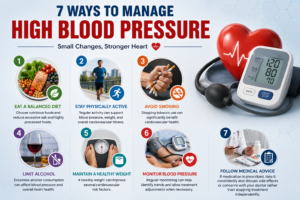
A healthy lifestyle is an important part of long-term hypertension management. It can also reduce the risk of cardiovascular complications.
Important habits include:
Eat a Balanced Diet
Choose nutritious foods and reduce excessive salt and highly processed foods.
Stay Physically Active
Regular activity can support blood pressure, weight, and overall cardiovascular fitness.
Avoid Smoking
Stopping tobacco use can significantly benefit cardiovascular health.
Limit Alcohol
Excessive alcohol consumption can affect blood pressure and overall heart health.
Maintain a Healthy Weight
A healthy weight can improve several cardiovascular risk factors.
Monitor Blood Pressure
Regular monitoring can help identify trends and allow treatment adjustments when necessary.
Follow Medical Advice
If medication is prescribed, take it consistently and discuss side effects or concerns with your doctor rather than stopping treatment independently.
Why Choose Dr. Shirish Agrawal for Heart Care?
Based on the information provided, Dr. Shirish Agrawal combines experience in general cardiology and interventional cardiology. His clinical areas include both preventive heart care and management of complex cardiovascular conditions.
Important aspects of his practice include:
- More than 7 years of cardiology experience
- Training in cardiology and general medicine
- Experience in interventional cardiology
- Management of hypertension
- Heart attack and heart failure care
- Coronary artery disease management
- Angiography and angioplasty
- Pacemaker-related care
- Echocardiography and cardiac testing
- Preventive heart-health guidance
- Multidisciplinary patient care
For people searching for the Best Cardiologist in Indore, evaluating the doctor’s qualifications, clinical experience, treatment areas, hospital facilities, and approach to patient care can help in making an informed decision.
Frequently Asked Questions About High Blood Pressure and Heart Health
Is high blood pressure dangerous for the heart?
Yes. Uncontrolled high blood pressure can increase the risk of heart attack, heart failure, stroke, and other cardiovascular complications.
Does high blood pressure always cause symptoms?
No. Most people with high blood pressure have no obvious symptoms, which is why regular blood pressure measurement is important.
What blood pressure is considered high?
Current AHA categories classify 130–139 systolic or 80–89 diastolic as Stage 1 hypertension and 140 or higher systolic or 90 or higher diastolic as Stage 2 hypertension.
When should I see a cardiologist?
You should consider cardiology evaluation if you have persistent hypertension, chest discomfort, breathlessness, palpitations, fainting, known heart disease, or multiple cardiovascular risk factors.
Can lifestyle changes lower blood pressure?
Yes. Healthy eating, regular physical activity, weight management, avoiding smoking, limiting alcohol, managing stress, and following prescribed treatment can help control blood pressure.
Can high blood pressure cause heart failure?
Long-term uncontrolled hypertension can make the heart work harder and increase the risk of heart failure.
What should I do if my BP is above 180/120?
Repeat the measurement after at least one minute. If it remains above 180/120, contact a healthcare professional. If it is accompanied by chest pain, shortness of breath, weakness, numbness, vision changes, difficulty speaking, or similar concerning symptoms, seek emergency medical care immediately.
Conclusion – Best Cardiologist in Indore
High blood pressure may not produce noticeable symptoms, but its long-term effect on the cardiovascular system can be significant. It can increase the risk of coronary artery disease, heart attack, heart failure, stroke, kidney problems, and other complications.
Regular blood pressure monitoring, healthy lifestyle habits, appropriate investigations, and timely medical treatment can help reduce these risks. Patients should also pay attention to warning symptoms such as chest pain, breathlessness, fainting, sudden weakness, or changes in speech or vision.
For those looking for the Best Cardiologist in Indore, Dr. Shirish Agrawal’s provided profile highlights experience in general and interventional cardiology, including hypertension, heart attacks, heart failure, coronary artery disease, angiography, angioplasty, pacemaker implantation, and preventive cardiac care.
Whether you need routine heart screening, blood-pressure management, or evaluation of a cardiovascular concern, consulting a qualified Cardiologist in Indore can help you understand your heart health and choose an appropriate treatment or prevention plan.